

WHY WE BUILD

The gap between wages & available rent keeps widening.

Rent in America has outpaced wages for more than a decade. Over the same period, millions of low-cost rental homes have left the supply, and new construction has concentrated at the top of the market. The households caught in between earn too much to qualify for subsidized housing and too little to keep up with market rent.

Those households are the American workforce. Teachers, nurses, firefighters, and tradespeople, holding two thirds of the jobs in the country. The squeeze starts with them and runs up the ladder: the homes their wages cover are vanishing from supply, and even renters a rung above them now pay more than they can afford. Homeownership keeps moving further out of reach for both. The market is failing renters at every tier, and almost nobody is building for them.
America is short millions
of affordable rentals.

105M

Americans earn between $12.50 and $32.50 an hour.

22.6M

renter households are cost-burdened, a record high.

45%

of moderate-income renters pay more than they can afford.

8.29M

affordable rental home shortfall nationally.

7.5M

rentals under $1,000 a month have disappeared since 2013.

0

institutional operators build for these renters at scale.

$

106731

salary needed to buy a median home, nearly $27K more than the median household earns.

10

+

years for a working household to save a 10% down payment, even at Southeast prices.

67

%

of renters say a down payment is the main reason they don’t own.

49

%

can’t afford the monthly mortgage payment.

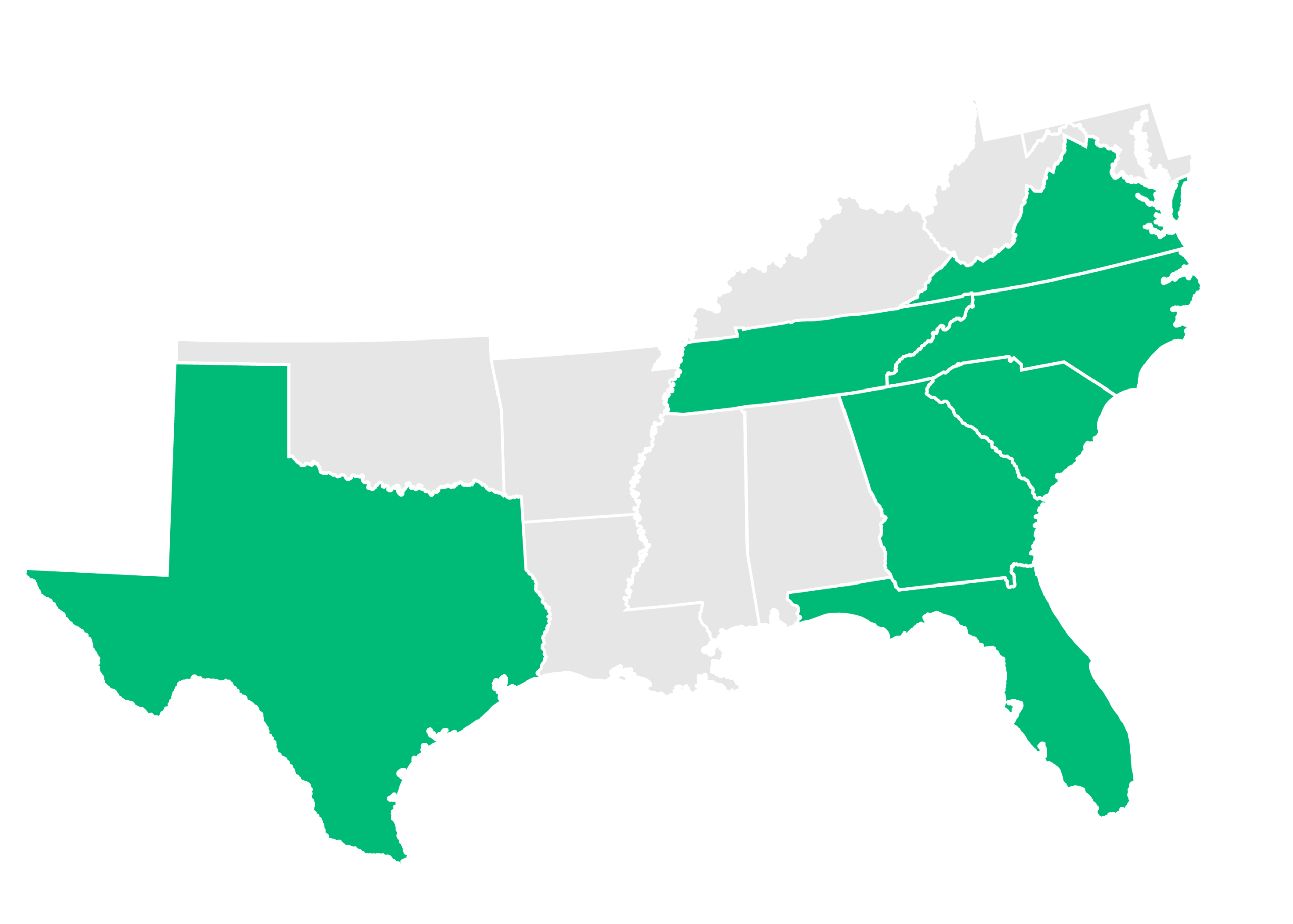
Demand, capital, and timing are converging on seven Southeast states.

Each force has been building for more than a decade, and each one compounds the others. The result is a renter base that keeps growing, in a region where new supply keeps shrinking, anchored by employers and capital that keep arriving. Allegiant operates across all seven states with three strategies designed for the income tiers the market is failing.

Buying a median-priced home takes a $106K salary while the median US household earns $80K. With 22.6M renter households’ cost-burdened, a record high, the rental base is growing instead of shrinking.

The Southeast has gained 7.6M residents since 2020, more than every other US region combined. Florida alone absorbed $21B in net wealth in 2023, while California, New York, and Illinois lost $26B between them, a redirection of people and money into the same seven states Allegiant operates in.

Q1 2026 multifamily deliveries came in 53% below the cycle peak, with quarterly volumes forecast to hold near 75K units through 2027. Communities breaking ground today face the lightest lease-up competition in years.

Demand, capital, and timing are converging on the Southeast.

Since 2020, the Southeast has gained more residents than all other US regions combined. People come for the lower cost of living, employers come for the tax policy and the labor pool, and each arrival reinforces the next. That loop is what makes the rental demand here durable, and the numbers below show it state by state.

Texas
+2.6M Pop. Change 2020–25
+21% Income Growth 2019–2024
Anchors McKesson, HP, Oracle, CBRE, Tesla
Tennessee
+430K Pop. Change 2020–25
+34% Income Growth 2019–2024
Anchors McKesson, Amazon, Oracle, AllianceBernstein
North Carolina
+757K Pop. Change 2020–25
+24% Income Growth 2019–2024
Anchors Bank of America, Wells Fargo, Trust Bank
South Carolina
+452K Pop. Change 2020–25
+10% Income Growth 2019–2024
Anchors BMW, Michelin
Georgia
+589K Pop. Change 2020–25
+34% Income Growth 2019–2024
Anchors Hyundai, Coca Cola, Home Depot, UPS, Delta
Florida
+1.9M Pop. Change 2020–25
+30% Income Growth 2019–2024
Anchors Walt Disney World, Universal Orlando Resort, Amazon
Virginia
+249K Pop. Change 2020–25
+20% Income Growth 2019–2024
Anchors Sentar, Amazon, Walmart

At a glance:

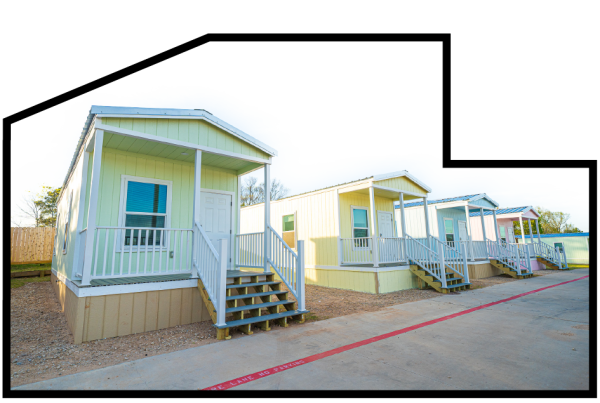
  • For the $12.50 to $32.50 per hour workforce
  • Purpose-built homes in gated communities of 200 to 400
  • Ground-up development, built to rent
  • Part of the Live Well Community

At a glance:

  • For renters earning 60% to 120% of area median income
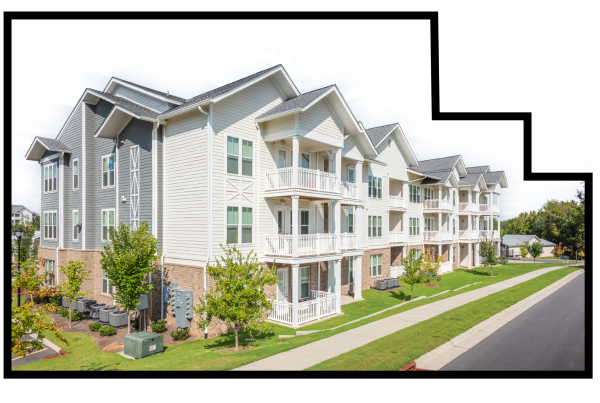
  • Garden-style apartment communities
  • Institutional standard development
  • Part of the Allegiant Living Community

At a glance:

  • For the renters already living in each acquired community
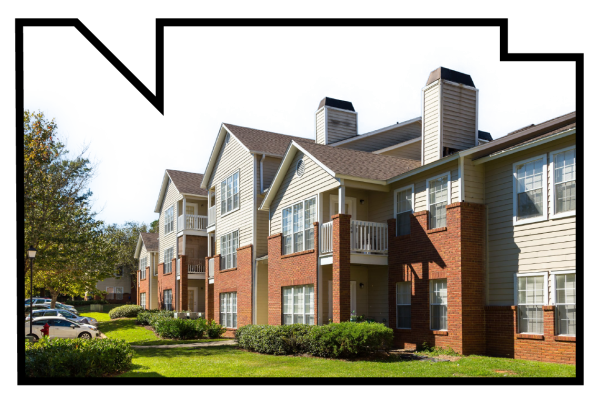
  • Apartment communities of 200 to 400 units, built 1995 to 2020
  • Acquisition and repositioning of existing assets
  • Part of the Allegiant Living Community